The History of Yusando: 2016–2020
FOUNDER'S STORY — 02
How I became a natural-cultivation
farmer at 30, with no experience
Part 2: About Yusando
Yusando Co., Ltd. — Ryotaro Isozaki
SUMMARY
What happened from 2016 to 2020
- In 2016, once I could rent tea fields in Nara and our total area passed one cho, I founded Yusando Co., Ltd.
- The company name comes from my late father's nickname, "Yu-san"; the logo is based on his posthumous Buddhist name, "Horyo"
- A small company of just me and my younger sister
- Our main tea field is in Kamifukawa, Nara City, in the Yamato highlands — at about 500m elevation, where new tea comes in later than almost anywhere else in Japan
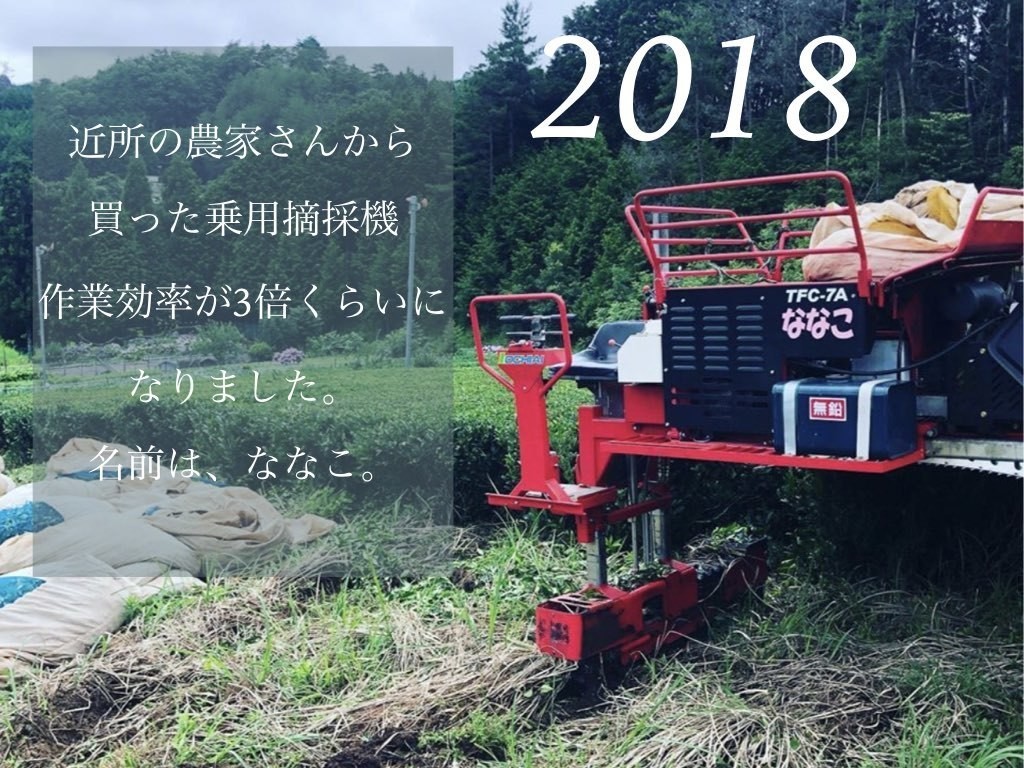
- In 2018, we received a ride-on tea harvester named "Nanako," and that same year earned organic JAS certification
- Our tea fields now cover more than 3 cho, and we keep growing without any fertilizer or pesticides
In Part 1, I told you how I — with no field, no money, and no experience — started natural cultivation only through the people I met.
In Part 2, I want to talk about Yusando itself: what kind of fields we work, and how we actually make our tea.
Founding Yusando
2016
In 2016, I got the chance to rent a large tea field in Nara, which let me finally stand on my own two feet as a farmer. I started by renting six tan of tea field; then I was told, "you're welcome to the neighboring fields too," and once our total area passed one cho, I founded Yusando Co., Ltd. with an eye on the future.
Back when I said "I'm becoming a farmer," my friends worried a lot. But once I said "I started a company and became its president," everyone was thrilled (laughs). I honestly think it's much easier to become a company president by starting your own company than to become a section chief inside one — but either way, the title "representative director" carries a lot of weight (laughs).
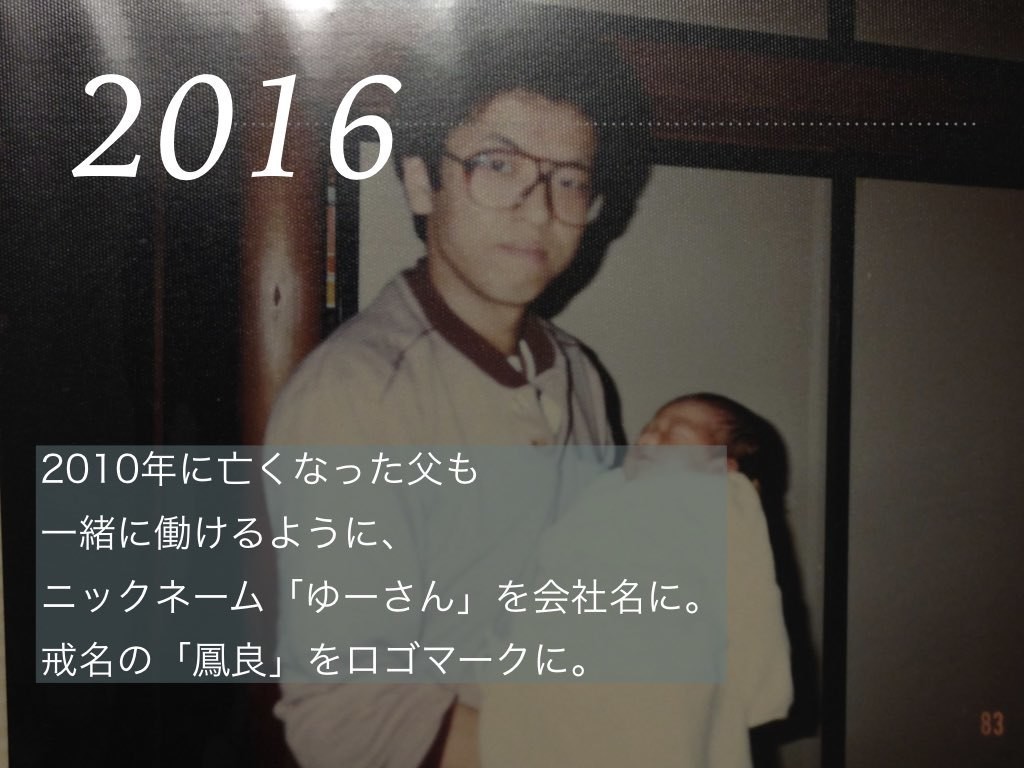
The name "Yusando" comes from "Yu-san," the nickname of my late father, who loved and raised our family with such care. The logo mark is based on his posthumous Buddhist name, "Horyo." It was designed by an American graphic designer, Ken Baughman — so that my late father, too, could feel like part of the work.
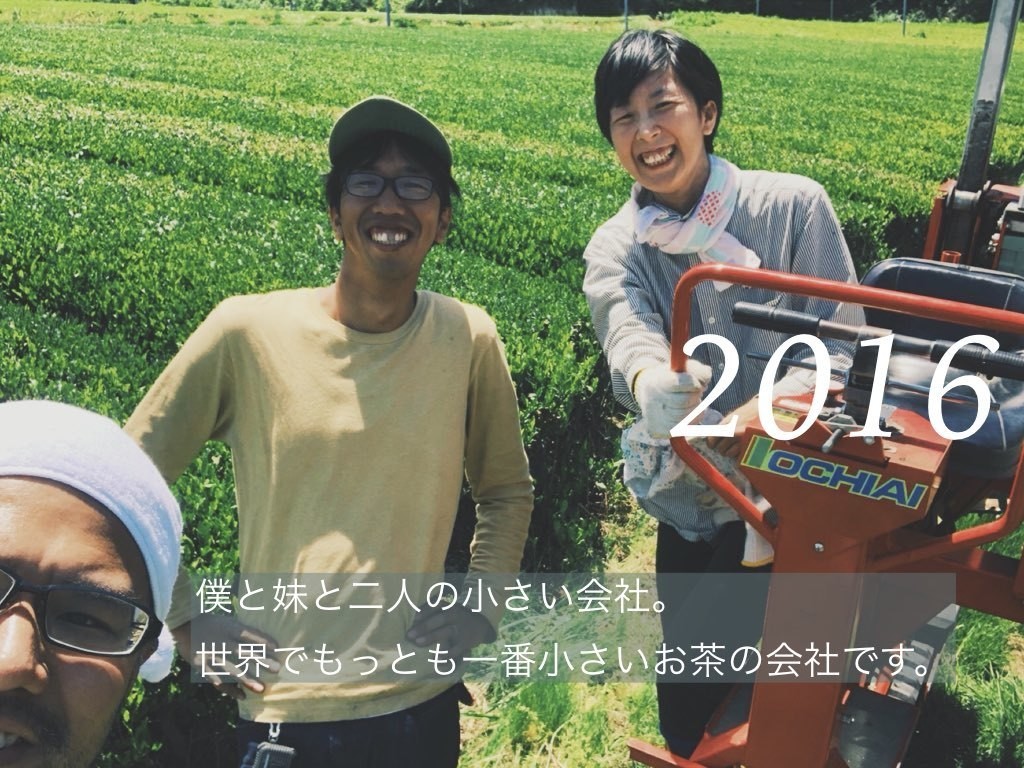
Yusando is a small company run by me and my younger sister, one year my junior. Looking back, I never once imagined the two of us would end up working together. She's a wonderful, hard-working, sociable person.
The tea fields of the Yamato highlands
Our main tea field is in Kamifukawa, Nara City, in the Yamato highlands. At about 500m elevation, it's said to have the latest new-tea season anywhere in Japan. The big swing between day and night temperatures gives the tea a rich, deep flavor.
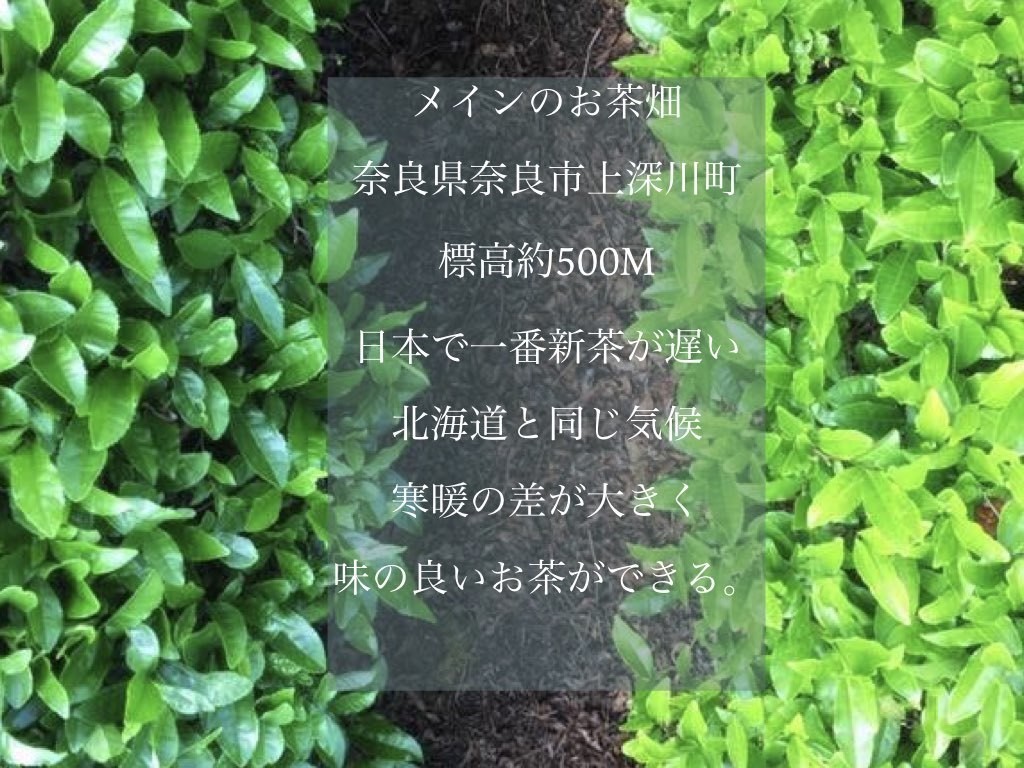
Since we started as new entrants to farming, our fields are scattered across several locations. Our tea fields now cover more than 3 cho, and we're also growing rice, vegetables, grapes, and plums. From the very start, we've never put fertilizer or pesticides into any of our fields — this is natural cultivation, grown solely on the strength of soil, weeds, and the tea plants themselves.
No fertilizer. No pesticides.
Just the soil, the weeds, and the strength of the tea plant.
Days of tea-making
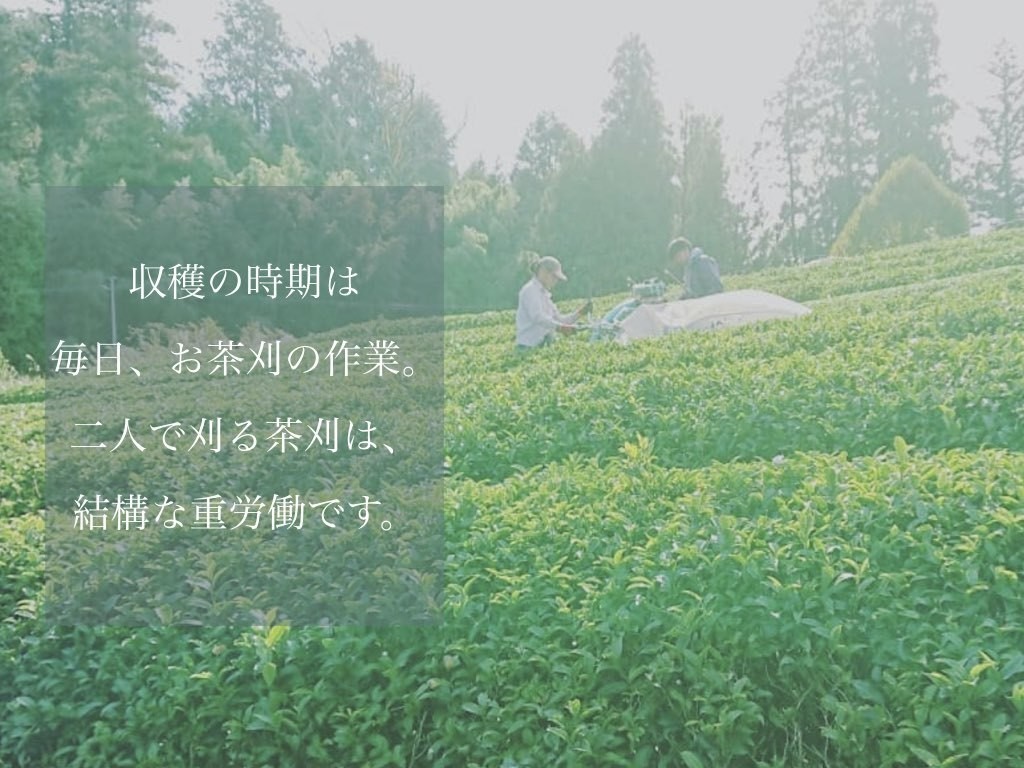
Once the tea harvest begins, the busy days keep coming. It's quite physically demanding, so this is the season when I build muscle and actually enjoy looking in the mirror (laughs).
In 2018, a farmer nearby passed on a ride-on tea harvester to us. It roughly tripled our work efficiency. We named the machine "Nanako" — such a cute name that it sometimes leads to funny misunderstandings (laughs).
Tea is generally said to be one of the crops that uses the most fertilizer and pesticides. That's exactly why growing it without either is so difficult. To keep the plants from losing vigor or yield, we pick the leaves carefully, taking as little toll on the tea bushes as possible. Rather than obsessing only over the first flush, we aim to make tea people can enjoy in everyday life.
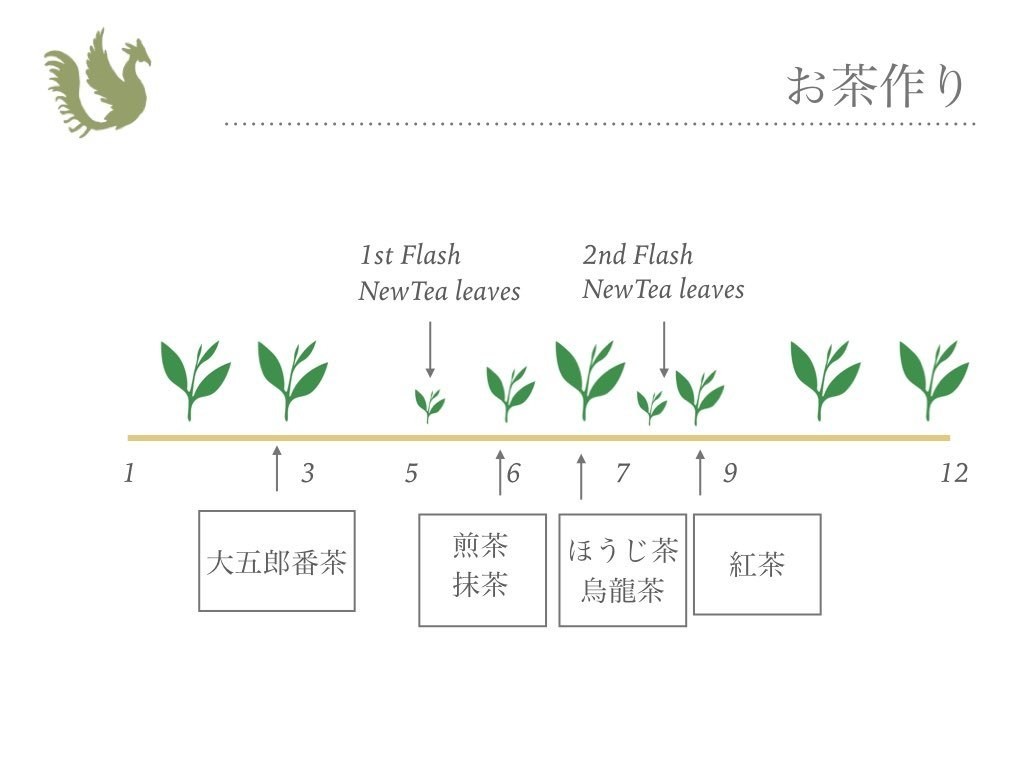
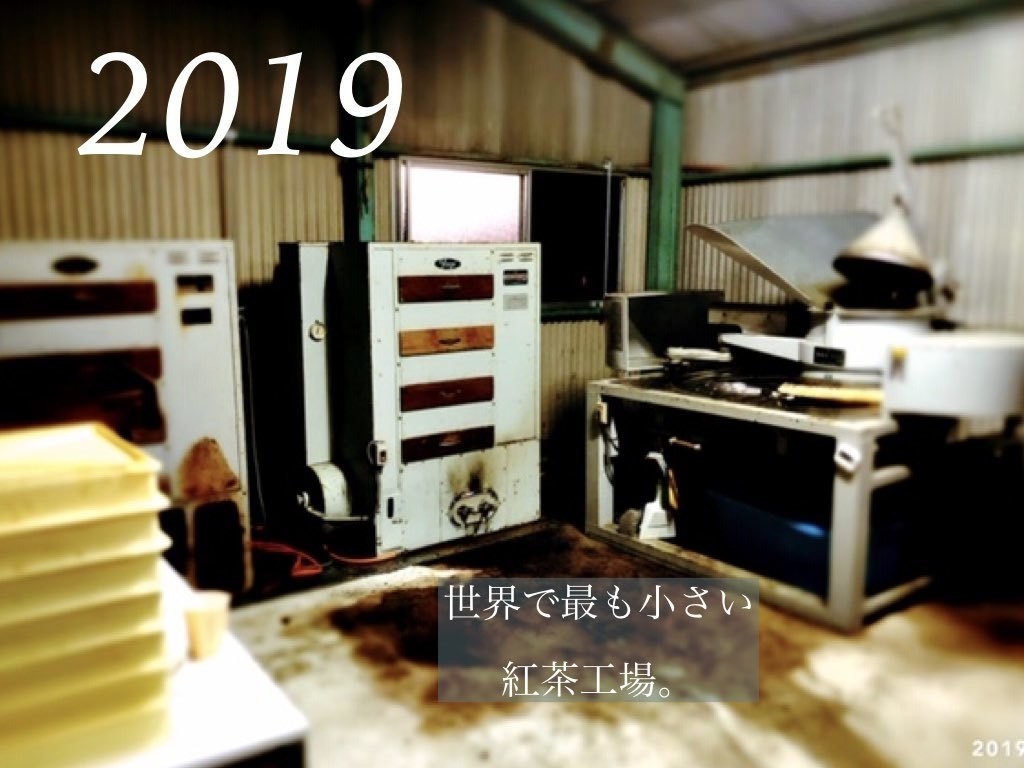
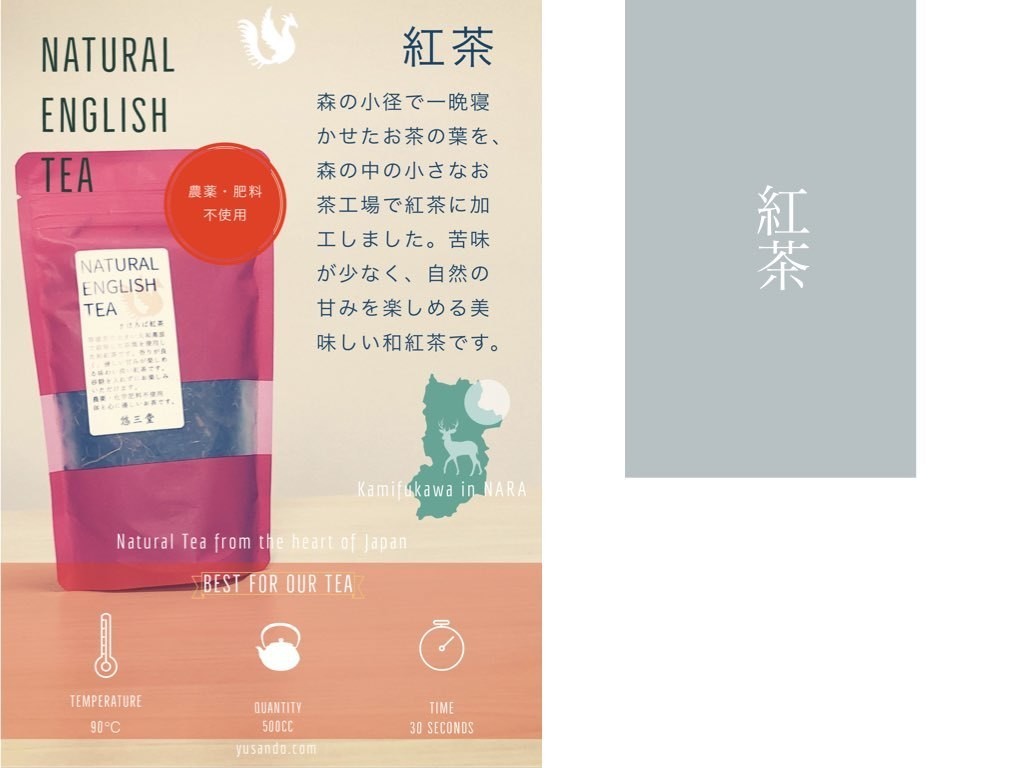
We mainly leave the tea processing to an organic-specialist tea factory. We've also set up our own processing space, which has let us make black tea in a way that's as close to natural as possible. More and more people tell us, "the black tea tastes really different now."
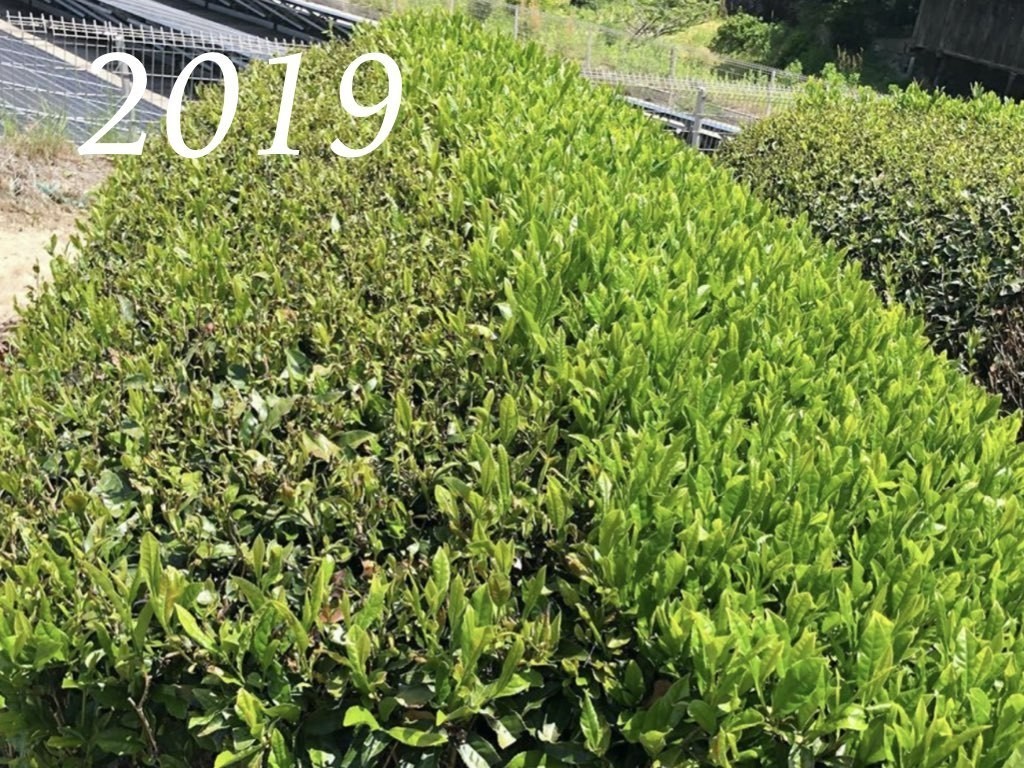
There was a year when a late frost badly damaged the new buds. Even so, natural-cultivation tea plants are strong — within a month they'd put out fresh buds again, and we still managed a good harvest.
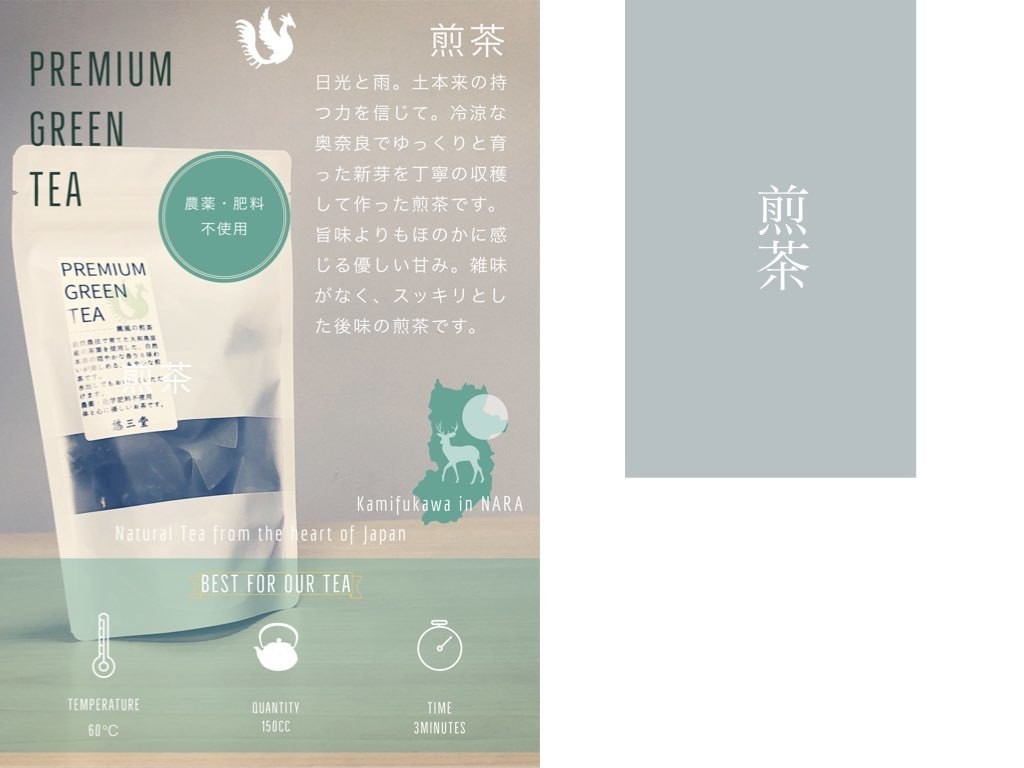
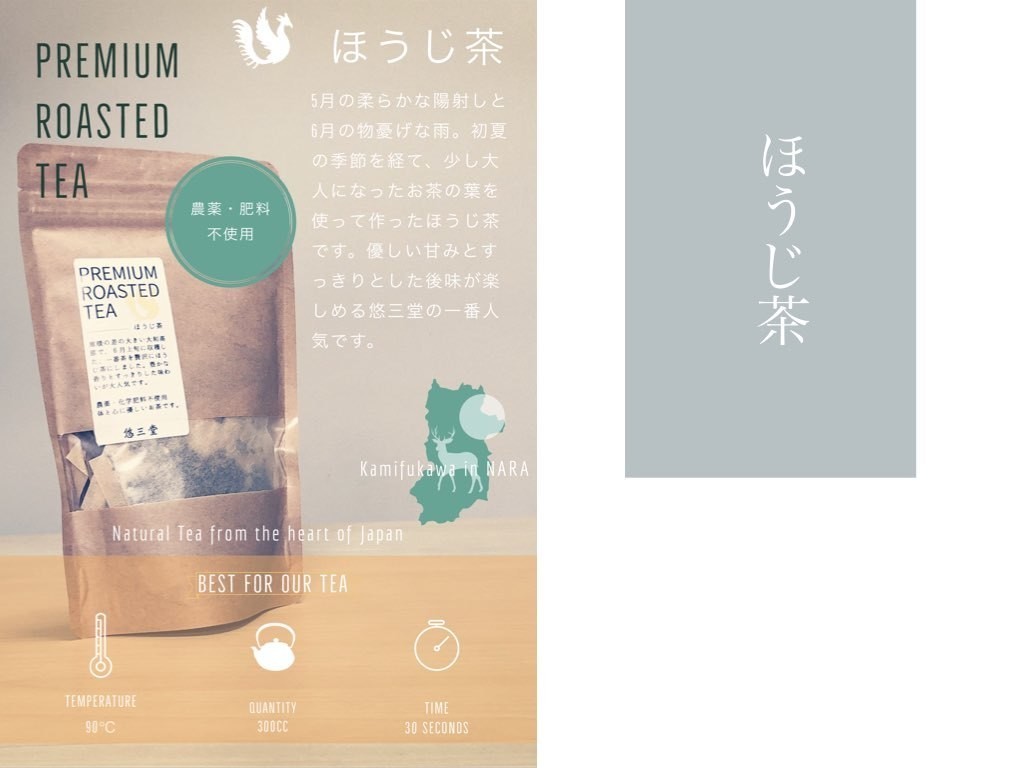
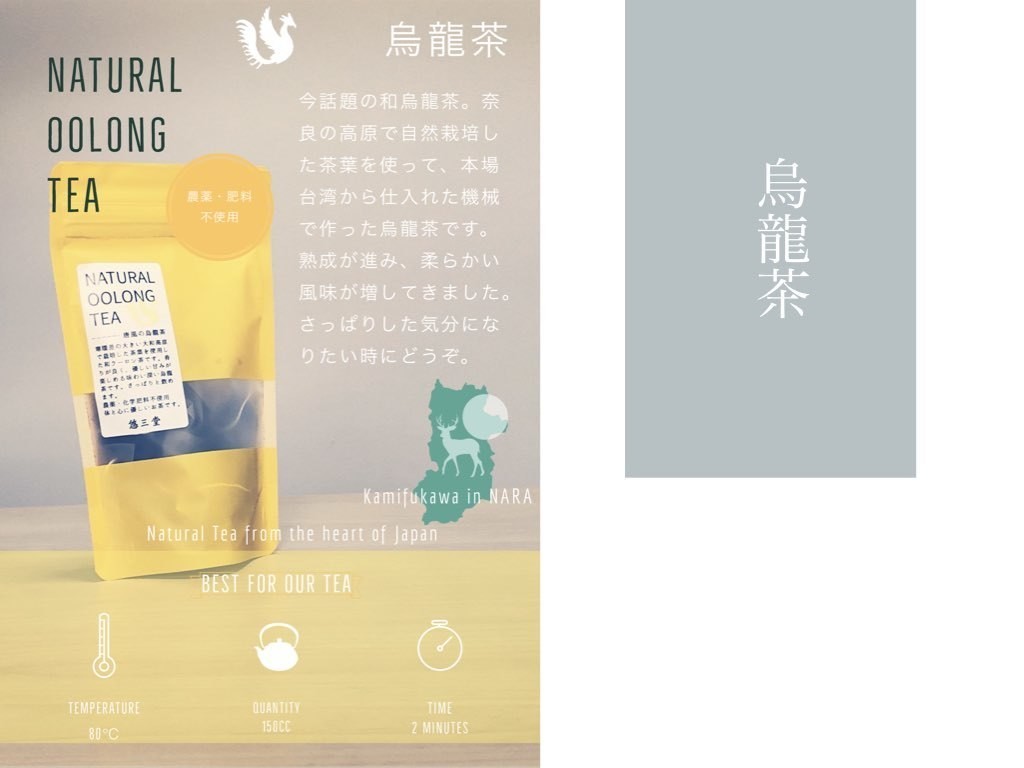
Yusando's tea
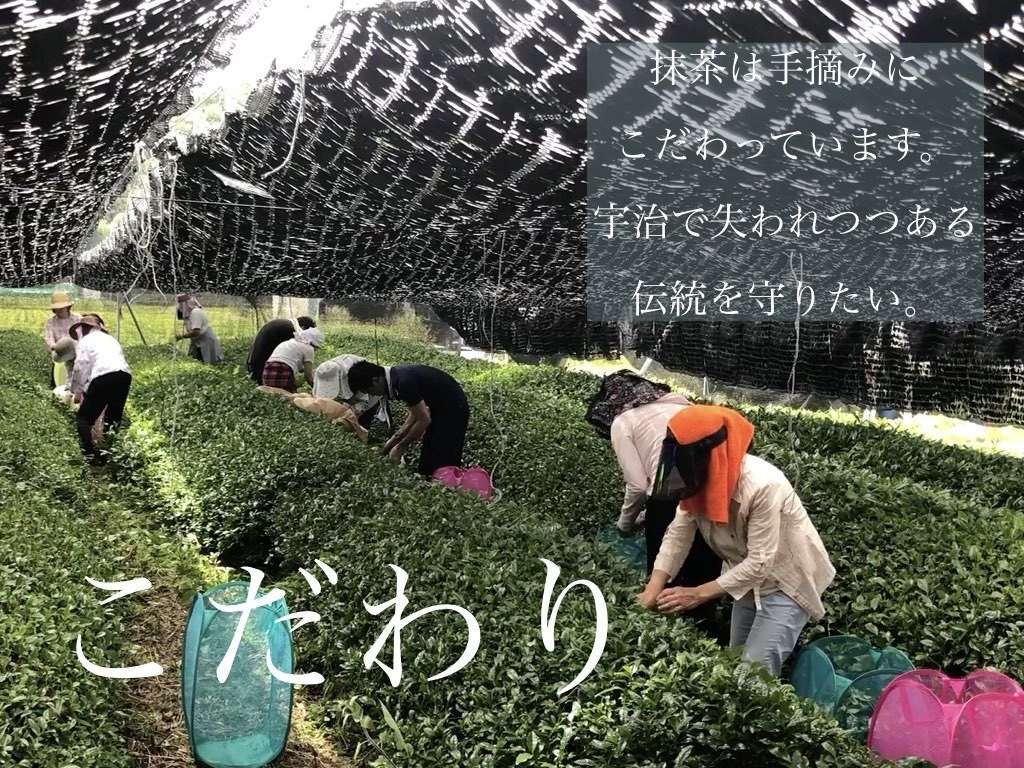
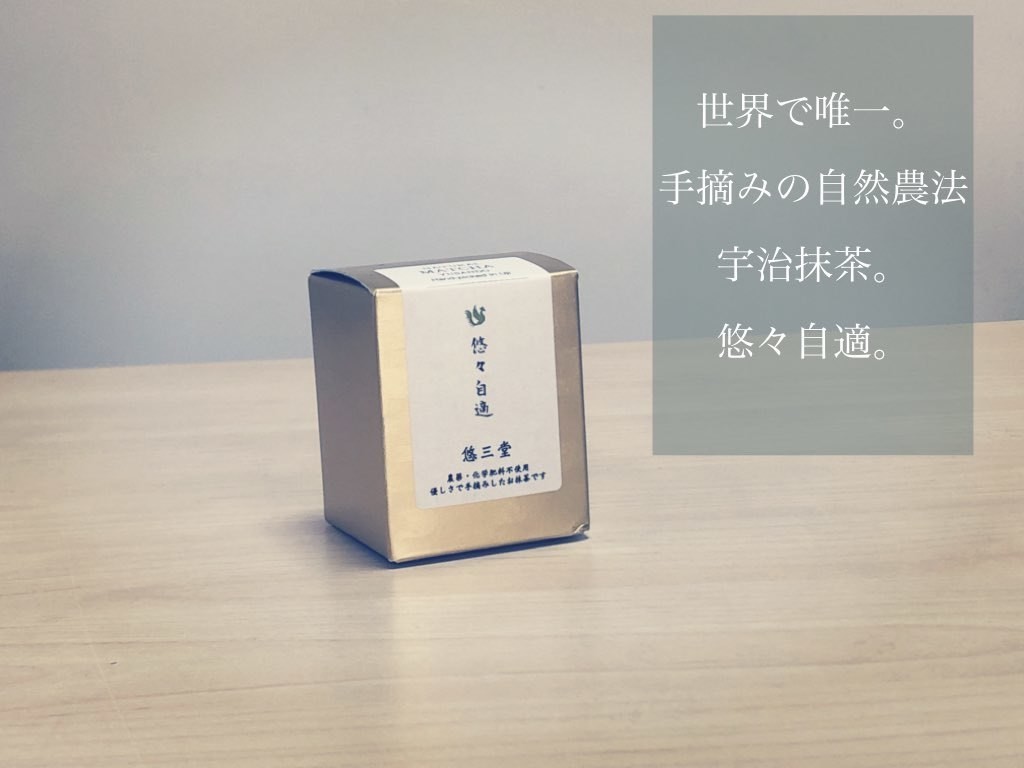
Our matcha is one of the very few hand-picked, naturally-cultivated Uji matchas in the world.
From the very same field, the season and the way we process the leaves give rise to each of our different teas.
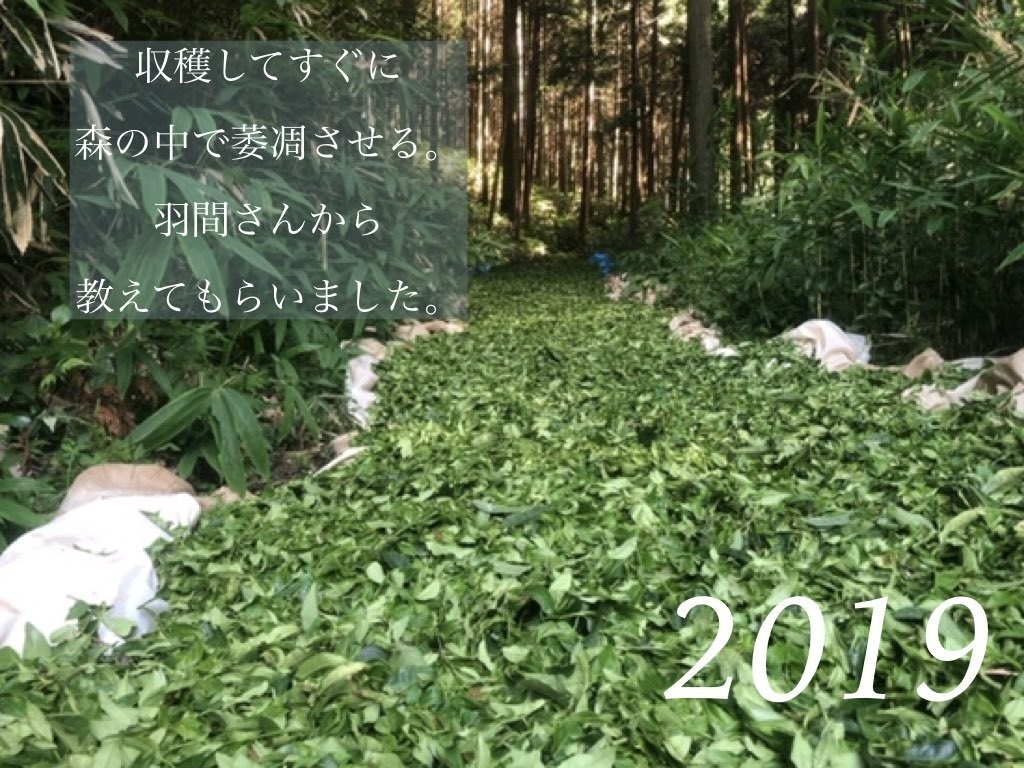
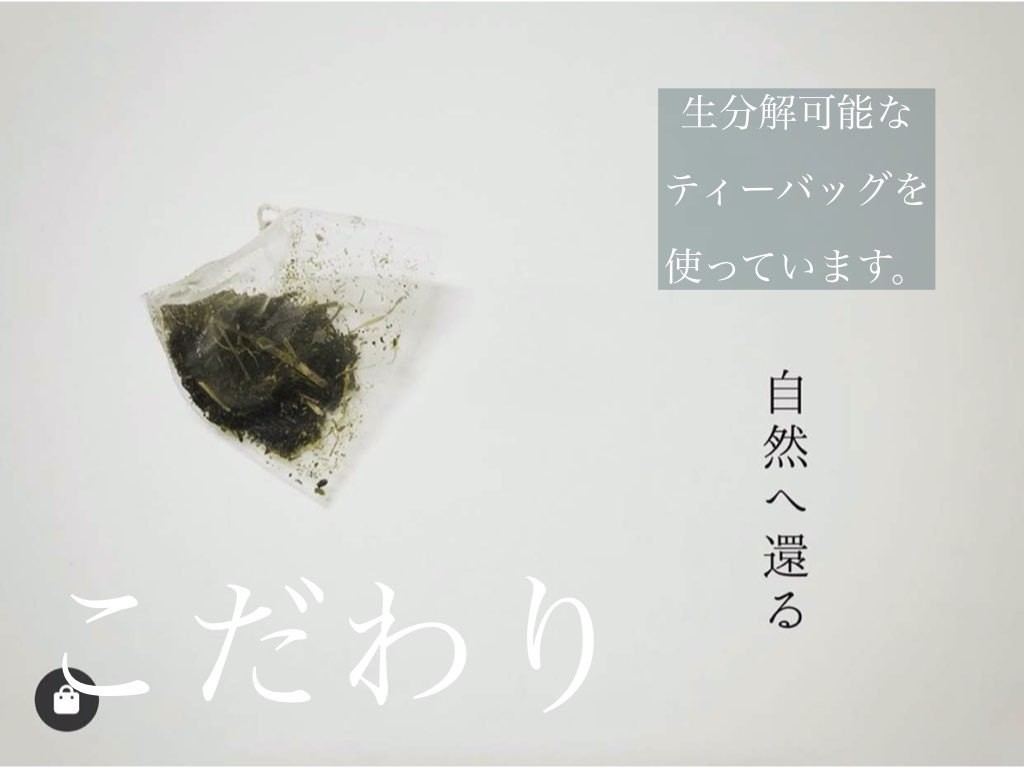
What we care about at Yusando
We've completely done away with plastic tea bags. Now we only use plant-based Soilon mesh and unbleached paper tea bags.
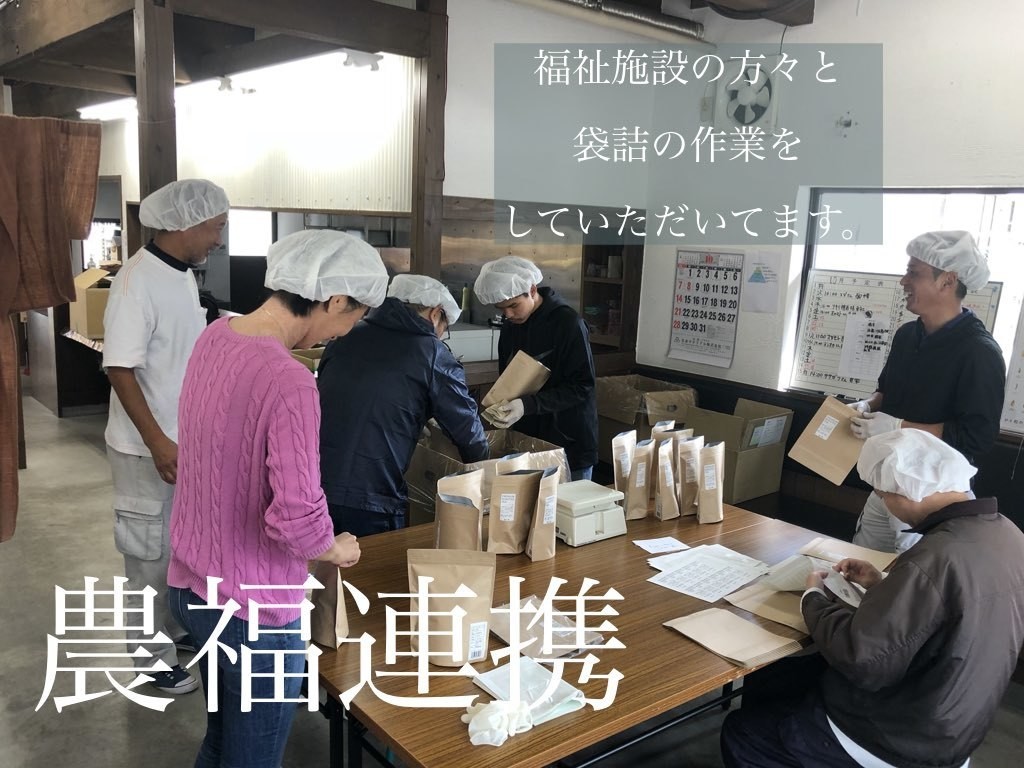
We ask a local welfare facility to handle our bagging work, and the quality keeps improving.
We only have two staff, so we're serious about efficiency and sharing information thoroughly. Here's how we split the roles —
Me: farm work, accounting, systems, and design.
My sister: bagging, sales, shipping, events, and new initiatives.
We try to make sure most of our work can be done from a smartphone. We rely on our own "Yusando solution": freee for accounting, Shopify for our online store, LINE Official for customer messages, and Instagram for updates.
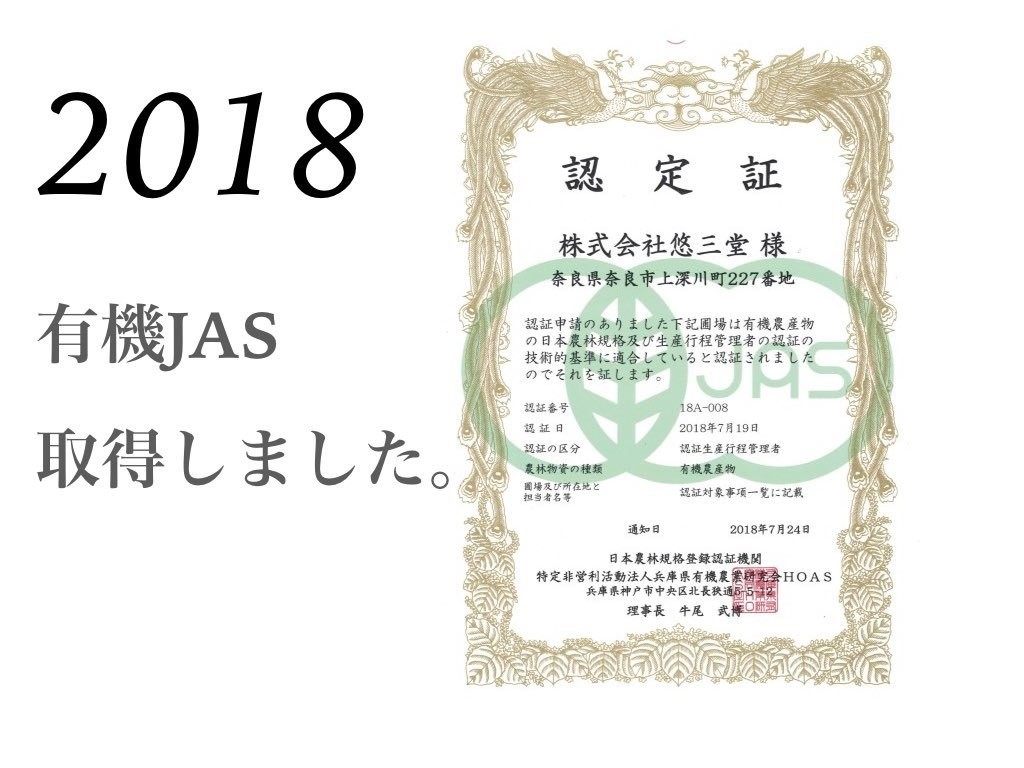
We earned organic JAS certification in 2018. It costs us every year, but I think of it as our tea's passport, so we keep it up. We've also earned certification under Shumei Natural Agriculture, said to be one of the strictest standards in the world. With the community's support, we became a certified farming operator, and I also earned a Japanese tea instructor qualification.
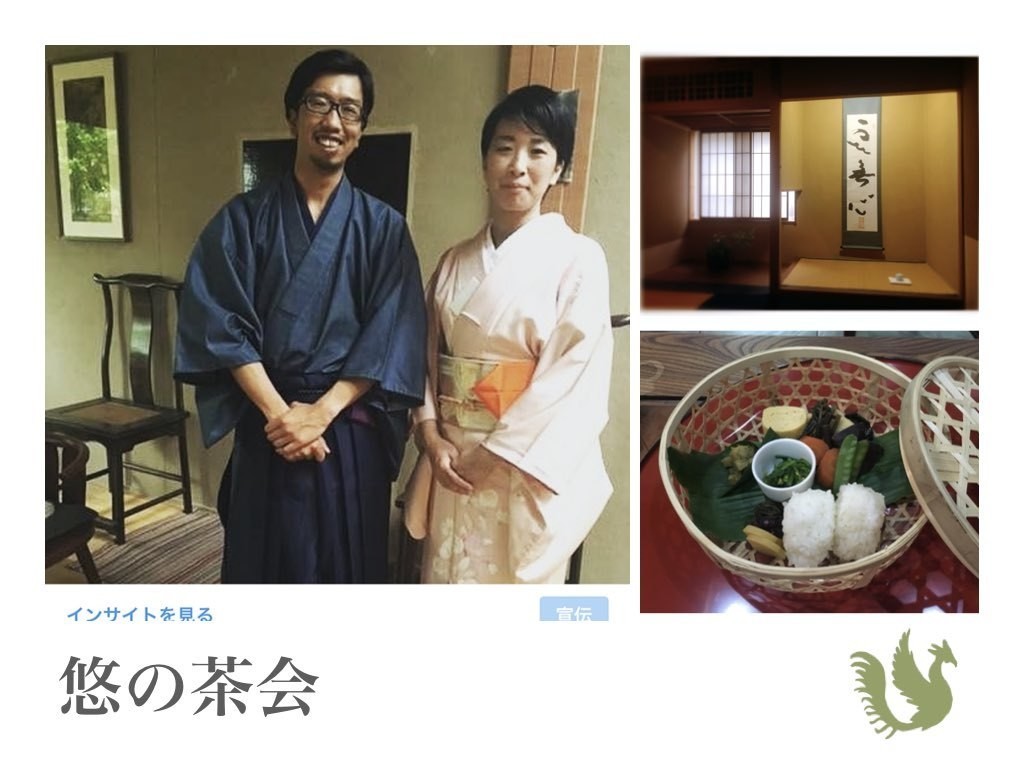
Once a year, we hold a tea gathering called "Yu no Chakai" using Yusando's matcha. It's for tea practitioners who both grow tea and prepare it themselves. The matcha, of course, and even the ingredients for the tenshin sweets, all come from our own fields.
How I got to become a natural-cultivation farmer
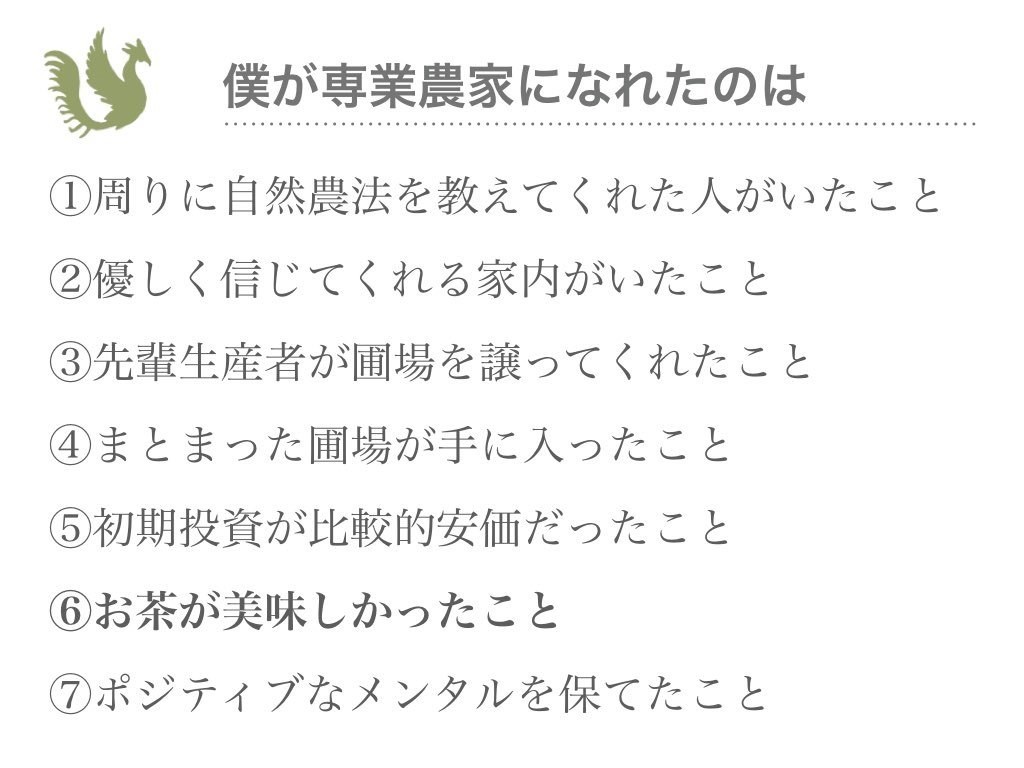
- Because there were people around me who taught me natural cultivation
- Because I have a wife who believes in me, gently
- Because senior producers handed their fields on to me
- Because I was able to get a decent-sized plot of land all at once
- Because the initial investment was relatively low
- Because the tea was delicious (laughs)
- Because I managed to keep a positive mindset
We had no field, no money, no experience.
Blessed with the people we met, we keep making tea in the Nara highlands.